
Child Speech Pathology
-

Child Speech Pathology
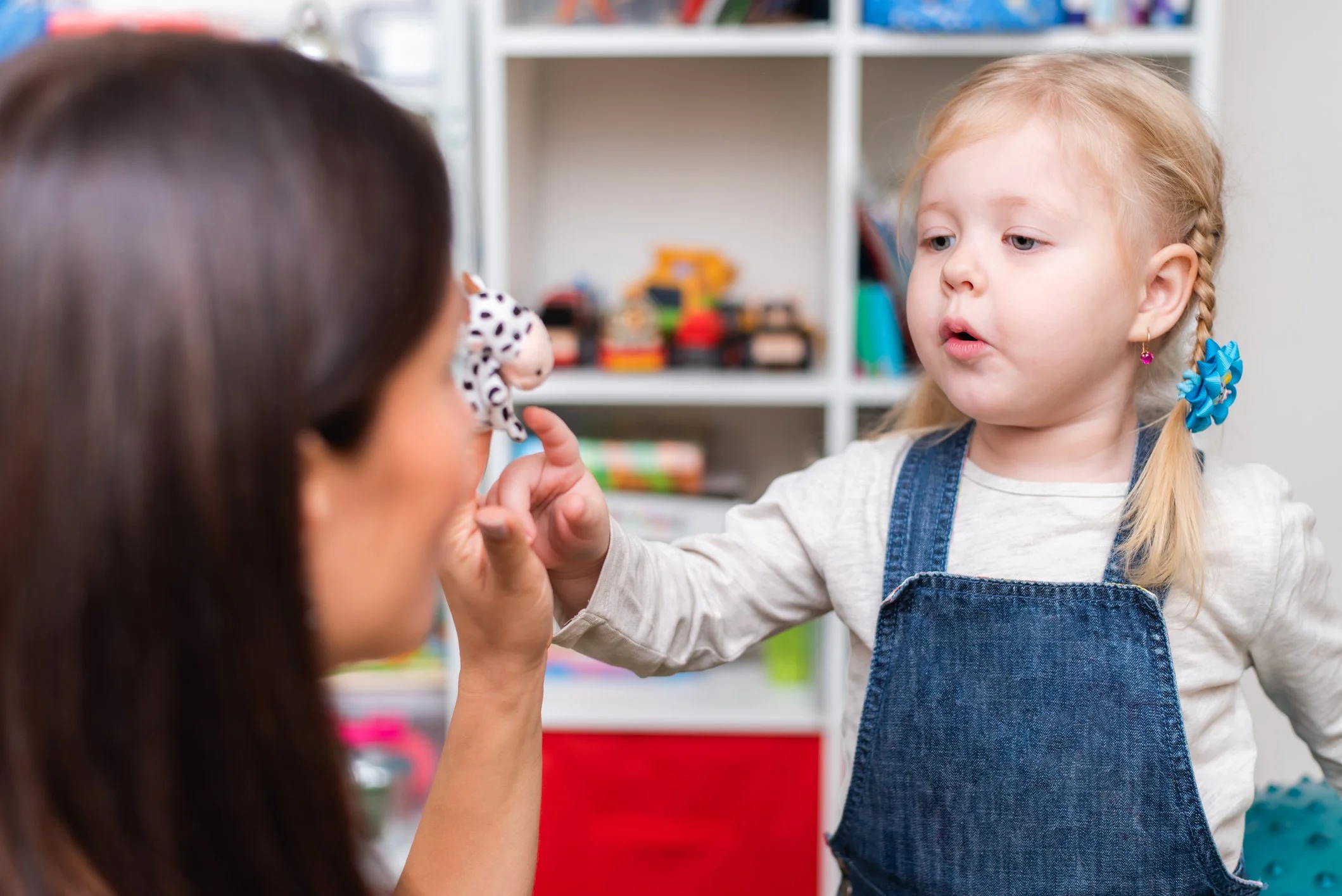
Communiskills provides individualised speech pathology services to preschool and school aged children with communication, social and learning difficulties. We work with children of all ages from infancy to 18 years of age. We provide comprehensive diagnostic assessments and treatment of difficulties with speech sounds, receptive language (understanding) expressive language, literacy, play and social skills. Communiskills offers assessment, treatment and consultation services to schools, preschools and childcare centres. We provide individual student support as well as collaboration with teachers to implement classroom strategies.
-
Childhood Apraxia of Speech
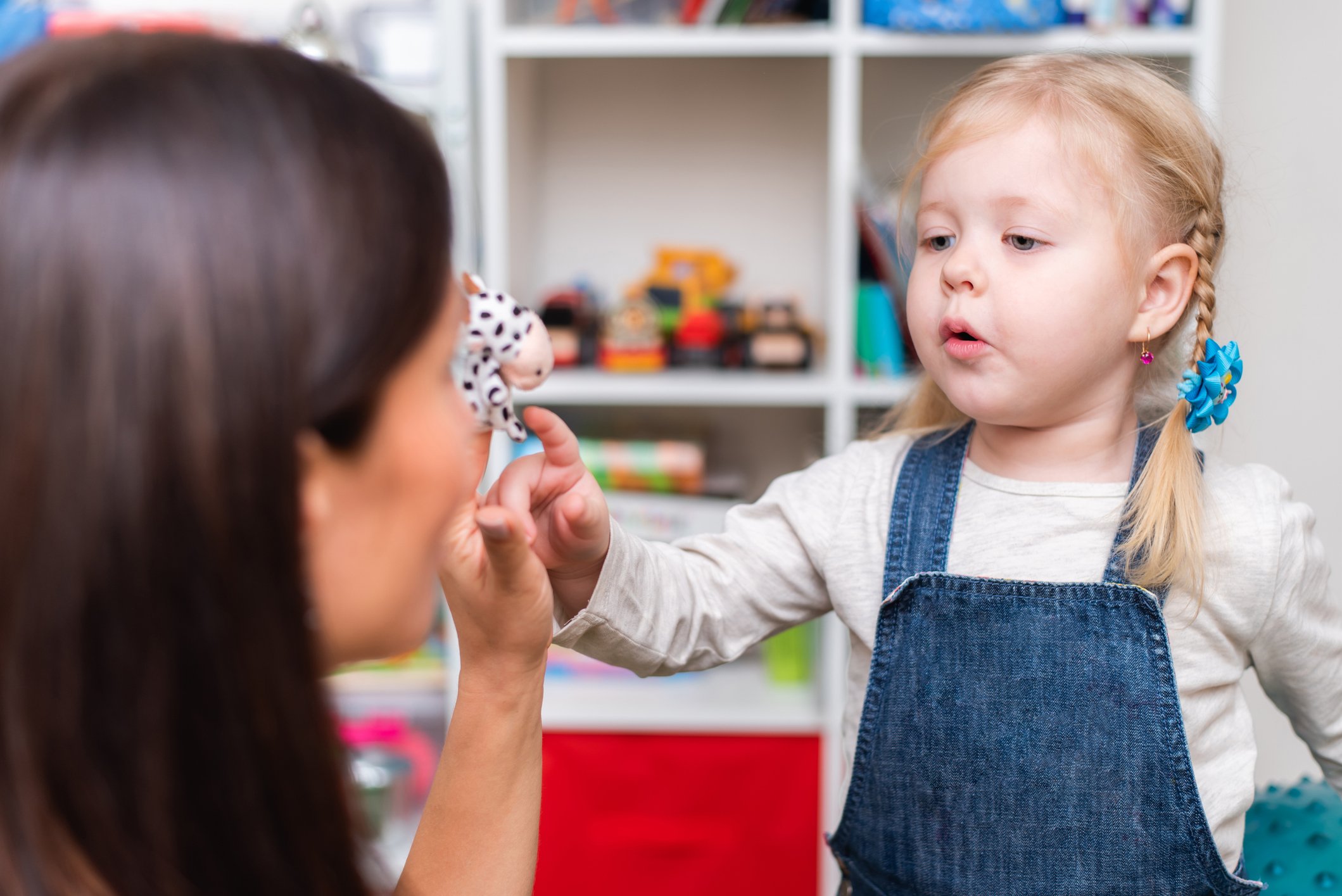
Our therapy team is experienced in diagnosing and treating Childhood Apraxia of Speech (CAS).
Childhood Apraxia of Speech is a motor‑speech difficulty where children know what they want to say, but their brain has trouble planning the precise movements needed for clear speech. At Communiskills, our Speech Pathologists provide specialised, evidence‑based therapy that focuses on building strong, reliable speech motor skills through structured practice, supportive cueing, and playful, engaging activities.
Therapy is highly individualised and may include a range of approaches as appropriate including Dynamic Temporal and Tactile Cueing (DTTC), ReST, PROMPT, motor‑learning principles, and neuroaffirming adaptations to support attention, regulation, sensory needs, and interests.
We work closely with families to create a warm, encouraging environment where children can develop clearer, more consistent speech and gain confidence in their communication.
-

Group Programs
There may be times when your child could benefit from attending a group program targeting communication, play, social or school readiness skills. We offer a range of group programs depending on the needs of our clients and expressions of interest. Contact us or go to the Group Program page to find out what group programs are currently available.
-

Literacy Support
Communiskills offers individualised one to one literacy support for children who are struggling academically at school. We work with your child to identify the best approach to enable your child to learn to read, spell and write successfully and to assist them to develop their enjoyment of learning, self esteem and confidence in their ability. We use an explicit and systematic phonics and structured literacy approach based on the science of reading.
-

Telehealth
Can’t get into the clinic or do not have services in your local area? Telehealth is a great option. Just let our client services team know when you book that you would prefer Telehealth appointments.
-

Autism Assessments
Our Speech Pathologists are experienced in providing comprehensive diagnostic Speech Pathology assessments as part of a multidisciplinary paediatric team assessment for the possibility of a diagnosis of Autism. A detailed written report including recommendations for intervention is provided to you and your child’s Paediatrician.
-

Numeracy Support
Often children with language or learning difficulties will struggle to understand maths language and concepts
Communiskills offers personalised, one to one numeracy support for children who are struggling in maths or have a diagnosis of dyscalculia. We endeavour to build their understanding and confidence in a fun, supportive environment.
-
Speech Pathology for Dyslexia
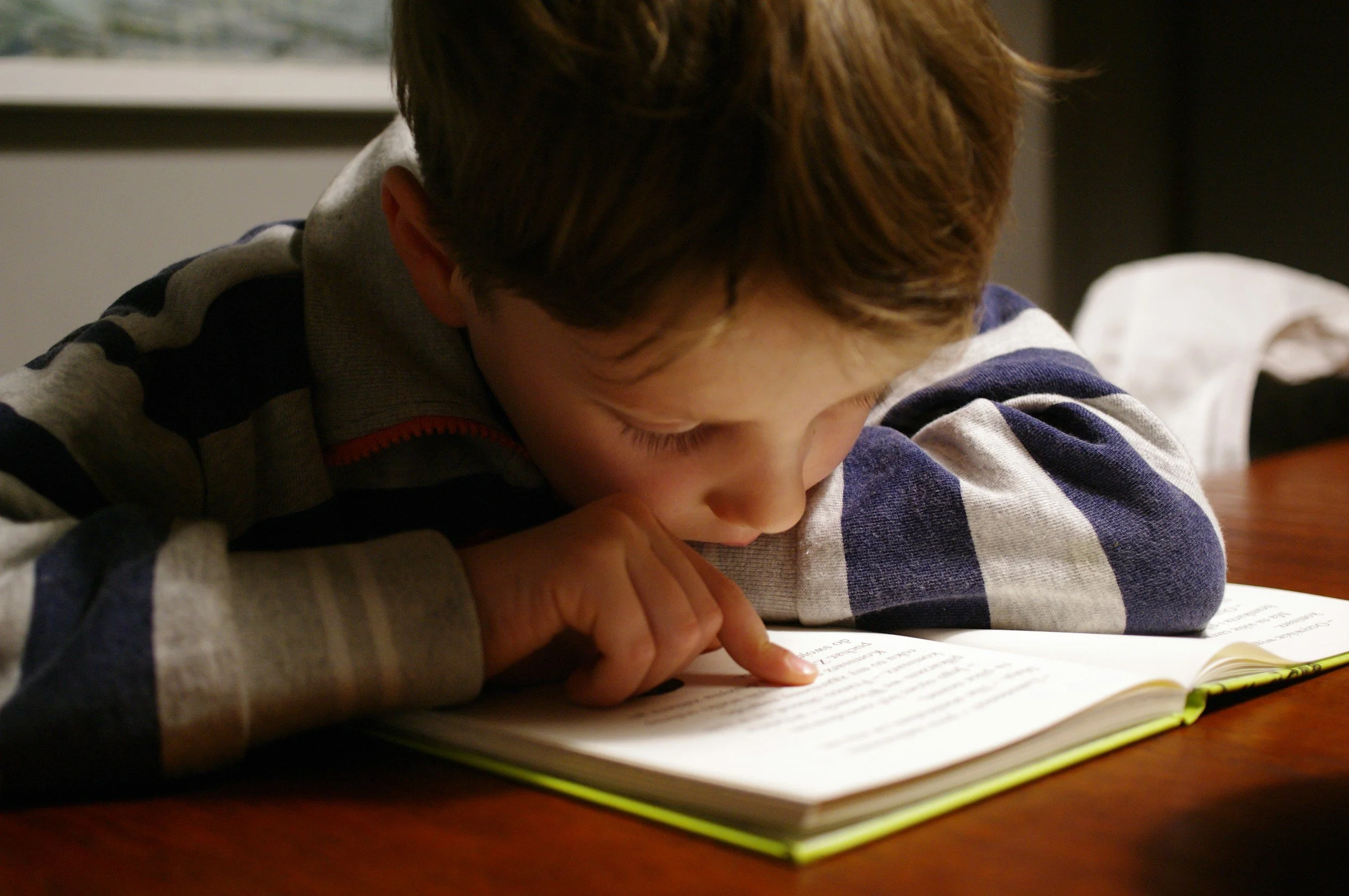
We have expertise and experience in working with children who have a diagnosis of dyslexia. We use a Multisensory Structured Language (MSL) approach.
MSL is an evidenced- based explicit teaching approach designed for individuals with dyslexia. It simultaneously uses visual, auditory, and kinesthetic-tactile pathways to connect speech with print, reinforcing memory and language decoding.
-

Therapy Assistant - in Clinic or School/Preschool/Childcare Visits
Communiskills aims to support our clients to achieve their goals. To enable this we also offer the option of a combined therapist and therapy assistant option. An experienced Speech Pathologist completes the assessment and develops a therapy plan. The therapy assistant then implements the therapy plan under the guidance and direction of the experienced therapist who reviews and adjusts the program as needed.
Therapy is tailored to each child’s needs, unique abilities and interests.
We assist your child to develop the skills needed to achieve success at preschool and school. Parents are included in therapy sessions at all times and we work collaboratively with you to assist your child to achieve their goals.

Our clinicians provide interventions in the areas of:
-
Receptive language refers to how we understand spoken language. It includes skills like following instructions, understanding questions, recognising vocabulary, and making sense of sentences and stories. Strong receptive language helps us learn, participate, and feel confident in everyday interactions.
-
Expressive language refers to how we use words, sentences, gestures, and facial expressions to share their thoughts, needs, and ideas. It includes skills like using vocabulary, forming sentences, telling stories, and expressing emotions in ways others can understand. Strong expressive language helps us communicate confidently at home, in play, at school and at work.
-
Pragmatic language refers to how children use words, gestures, and social cues to connect with others. It includes skills like taking turns in conversation, reading facial expressions and body language, staying on topic, and using language that fits the situation. Social skills build on this by helping children understand and respond to the people around them so they can join in play, build friendships, and communicate confidently in everyday life.
-
Literacy intervention supports children who need extra help with reading, spelling, and writing. It focuses on building strong foundational skills such as phonological awareness, decoding, fluency, vocabulary, and comprehension. Evidence‑based approaches help children develop confidence and independence so they can participate fully in learning at school and at home.
-
Speech Sound Disorders occur when a child has difficulty producing speech sounds clearly and accurately. This may include challenges with specific sounds, sound patterns, or overall intelligibility. Intervention focuses on helping children learn and use sounds correctly so they can be understood more easily.
Our therapists are experienced in working with Childhood Apraxia of Speech.
-
Speech fluency refers to the smoothness and flow of a person’s speech. Difficulties with fluency can include stuttering behaviours such as sound repetitions, prolongations, or blocks. Fluency intervention supports children and adults to communicate with greater ease and confidence, using evidence‑based strategies that reduce tension and help speech feel more natural in everyday situations
-
Play skills are the ways children explore, learn, and connect with others through play. They include using imagination, taking turns, sharing ideas, problem‑solving, and engaging in back‑and‑forth interaction. Strong play skills help children build social understanding, communication, and confidence across home, school, and community settings.
-
AAC includes any tools or strategies that help a child or adult communicate when speaking is difficult. This may involve gestures, pictures, communication boards, sign systems, or high‑tech devices. AAC supports children and adults to express their needs, share ideas, and participate confidently.
-
Feeding and swallowing services support children who find eating or drinking difficult, unsafe, or stressful. Speech Pathologists assess how a child bites, chews, and swallows, as well as any sensory or behavioural factors affecting mealtimes. Therapy focuses on safer swallowing, improving oral‑motor skills, increasing food acceptance, and helping families build calm, positive routines so mealtimes feel easier and more enjoyable.
-
Speech Pathology for social interaction skills helps children understand and use the communication behaviours that support friendships, play, and everyday connection. Therapy focuses on building practical skills such as turn‑taking, conversation, perspective‑taking, and reading social cues, using strengths‑based, neuro-affirming approaches that make social learning feel supportive, predictable, and confidence‑building.
